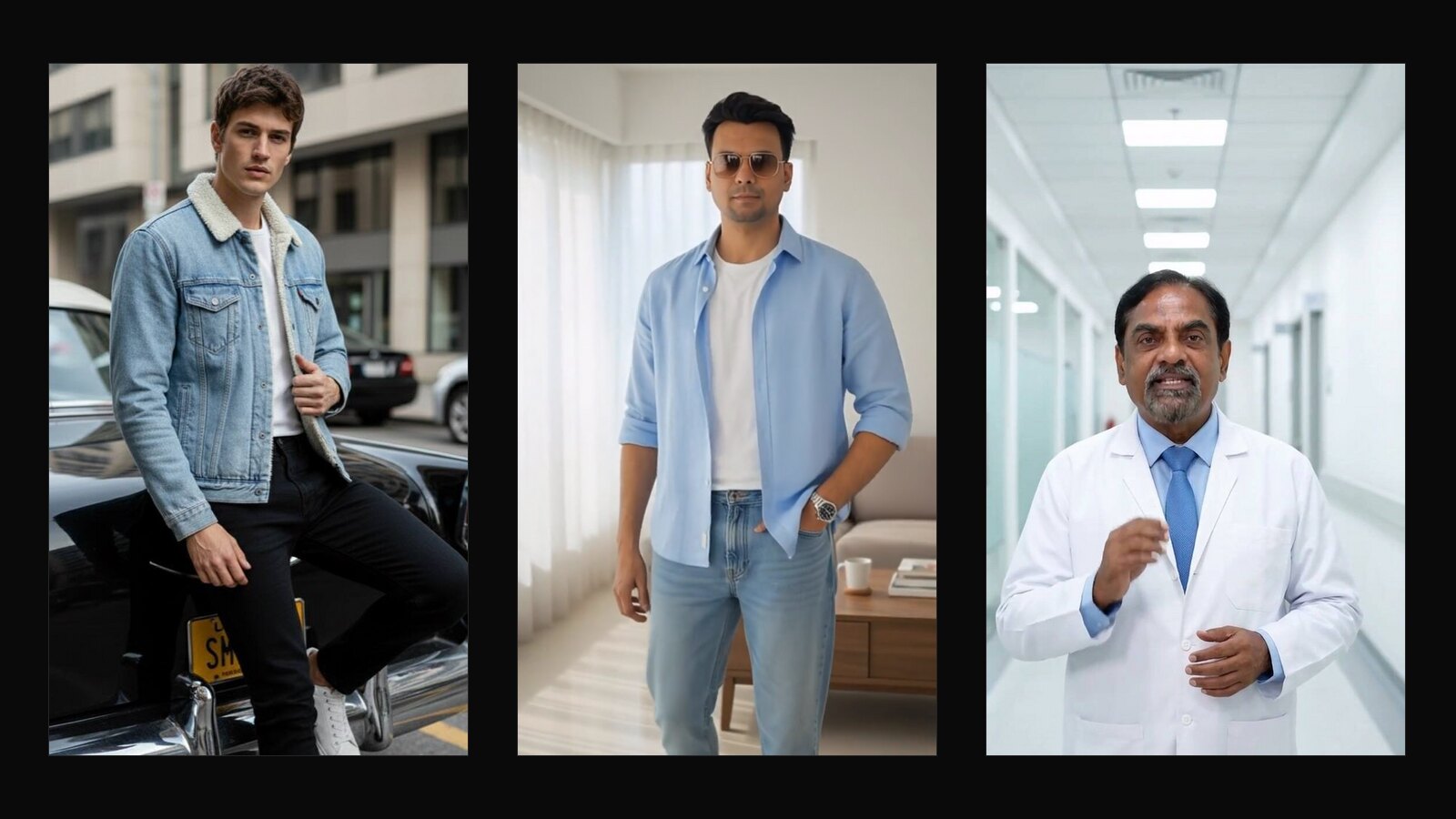
Indian D2C and B2B apparel brands face constant pressure to produce engaging product visuals. Traditional photoshoots for on-model apparel video are resource-intensive. They demand significant time, budget, and logistical coordination. Now, artificial intelligence offers a powerful alternative. Brands can create high-quality on-model apparel video without a photoshoot, streamlining content creation and accelerating market presence.
The Challenge of Traditional Apparel Visuals
Producing high-quality on-model video traditionally involves complex photoshoots. Brands must book models, stylists, photographers, and videographers. Studio rental, travel, and garment preparation add to the overall cost and time. This process often delays new product launches.
Fashion cycles are fast. Brands need a constant stream of fresh visual content. Relying on traditional photoshoots creates a bottleneck. It limits the volume and diversity of content a brand can produce quickly. This impacts campaign flexibility and responsiveness to market trends.
What is AI On-Model Apparel Video?
AI on-model apparel video involves generating photorealistic videos of clothing items worn by virtual models. This is achieved using advanced artificial intelligence algorithms. These systems can accurately drape digital garments onto AI-generated human forms. The virtual models can be posed and animated in various settings.
The core benefit is the elimination of physical photoshoots. Brands provide product images or digital garment files. The AI then processes this input to create dynamic video content. This method allows brands to showcase their collections in motion, with different models, without physical interaction.
Key Benefits for Indian Brands
For Indian D2C and B2B brands, adopting AI for on-model apparel video offers practical advantages. It significantly reduces production costs. Eliminating model fees, studio rentals, and large crews translates to budget savings. These savings can be reallocated to other marketing efforts.
Speed to market is another critical benefit. AI tools can generate videos much faster than traditional methods. This allows brands to launch new collections or campaigns quickly. It ensures products are seen by customers sooner. This competitive edge helps capture early interest and sales.
- Faster content generation.
- Reduced operational costs.
- Greater content consistency.
- Enhanced visual diversity.
Enhancing Visual Storytelling and Scale
AI-powered on-model video allows brands to explore diverse model representations. Brands can feature virtual models of varying ages, body types, and ethnicities. This capability helps brands connect with a broader customer base. It ensures brand messaging resonates across different demographics.
Beyond model diversity, brands can virtually place apparel in countless scenarios. AI enables custom environments, lighting conditions, and camera angles. This means one garment can be shown in a casual outdoor setting, a formal indoor event, or an abstract background. This flexibility supports compelling visual narratives for any campaign.
Overcoming Production Hurdles
Traditional photoshoots often require physical samples for every product variation. This creates logistical challenges for brands with large inventories or customisation options. AI video production removes this hurdle. It only requires digital assets, such as product photos, reducing the need for physical stock.
The absence of physical shoots also simplifies international marketing. Brands can create region-specific content without sending products or crews globally. This adaptability helps brands scale their marketing efforts. It provides localized visuals without complex cross-border logistics.
The Process: From Product Image to AI Video
The journey begins with providing high-resolution product images or digital garment patterns. These serve as the foundation. Next, brands select from a library of virtual models. They specify desired poses, movements, and expressions. The background and lighting are also customised at this stage.
AI algorithms then perform the digital draping and animation. They create the video, ensuring realistic fabric movement and lighting interaction. The output is a finished on-model apparel video, ready for deployment. This process is iterative, allowing for refinements based on brand feedback.
Applications Beyond E-commerce Catalogs
While ideal for e-commerce product pages, AI on-model videos have wider applications. They are highly effective for social media advertising. Short, engaging videos can capture attention and drive traffic. Brands can quickly produce many variations for A/B testing campaigns.
These videos can also enrich website landing pages and digital lookbooks. They provide a dynamic way to showcase collections. Consider using them in email marketing or digital displays. The versatility allows brands to refresh content across all their digital touchpoints regularly.
- Social media advertisements.
- E-commerce product listings.
- Digital marketing campaigns.
- Website content and landing pages.
Choosing an AI Video Production Partner
Selecting the right partner for AI video production is crucial. Look for an agency with demonstrated expertise in apparel. They should understand fashion aesthetics and garment presentation. Review their portfolio for quality and realism in their virtual model output.
Evaluate their technical capabilities. Do they offer custom virtual models or diverse backgrounds? Communication and process transparency are also key. A good partner provides clear timelines and integrates feedback effectively. They should act as an extension of your creative team.
- Verify industry experience and portfolio quality.
- Assess technical capabilities and customisation options.
- Prioritise transparent communication and project management.
- Confirm scalability to meet future content demands.