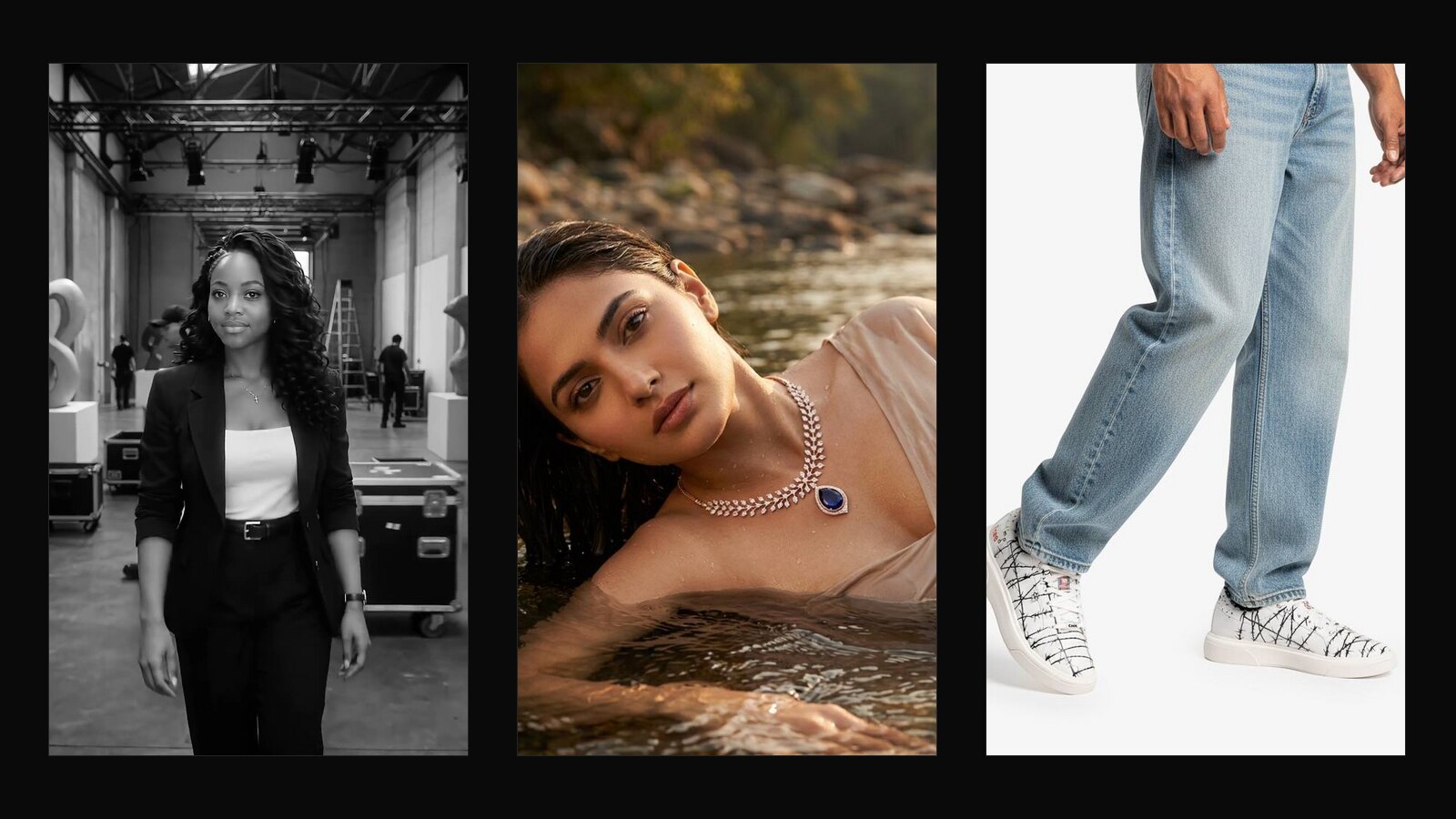
For D2C and B2B brands, Meta and Instagram are crucial advertising channels. Maintaining audience engagement and avoiding creative fatigue demands a constant stream of fresh, high-quality video ads. Traditional video production methods often struggle to meet this demand, constrained by time, budget, and logistical challenges. AI video production offers a path to overcome these limitations, enabling brands to scale their ad creatives with unprecedented speed and variety.
The Challenge of Creative Refresh on Meta and Instagram
Meta's algorithms reward fresh content. Advertisers know that ad performance can decline rapidly as audiences become accustomed to a specific creative. This requires marketers to frequently rotate and test new video assets to sustain engagement, optimize conversion rates, and lower acquisition costs. The cycle of creative refresh is relentless, putting significant pressure on internal teams and external agencies.
Producing a consistent volume of diverse video ads through conventional means involves numerous steps: concept development, scriptwriting, casting, location scouting, shoot days, post-production, and approvals. Each stage adds to the timeline and cost, making high-frequency creative iteration a complex and expensive endeavor. This often forces brands to compromise on either quantity or quality of their ad creatives.
How AI Video Transforms Ad Creative Production
AI video production automates many of these traditional steps, allowing for faster and more efficient creative generation. It uses algorithms to create visual assets, animate products, generate human-like models, or even build entire virtual environments. This shift means that instead of planning extensive physical shoots, brands can brief an AI system to produce video content based on existing assets or textual prompts.
This technology enables the rapid generation of multiple ad variations from a single core concept. Imagine needing different angles of a product, variations in background settings, or alternative on-model presentations. AI can produce these diverse outputs quickly, providing a wide array of creatives ready for A/B testing or targeted segmentation on Meta and Instagram without incurring additional shoot costs for each variation.
Specific Applications for D2C Brands
D2C brands often have extensive product catalogues requiring individualized ad creatives. AI video excels here by generating distinct videos for hundreds or thousands of SKUs. This allows for highly specific targeting and personalization within Meta campaigns, showing the exact product variant a consumer might be interested in. It moves beyond generic brand films to highly conversion-focused, product-centric ads.
For instance, apparel brands can generate on-model videos from flat product photographs, showcasing how clothing looks on diverse body types without a single photoshoot. In a campaign film we made for Rubick, an apparel commerce platform, more than 1,400 approved on-model videos were made from flat apparel product photographs, with no shoot day, delivered in quality-checked batches of about 500 and tracked per SKU. This approach scales visual content for large inventories efficiently.
Specific Applications for B2B Brands
B2B marketing on Meta and Instagram often relies on explainer videos, case studies, or thought leadership content. AI video can create diverse scenarios to illustrate complex services or software functionalities. It can simulate user interfaces, demonstrate processes, or visualize abstract concepts that might be difficult or costly to film traditionally. This allows B2B brands to communicate value propositions clearly and engagingly.
Additionally, AI can create digital clones of key spokespersons or founders. These clones can front a recurring series of short explainer videos or address specific industry challenges, maintaining a consistent brand voice and presence without the need for constant filming. For The Crewman, a UK events company, a digital clone of the company's founder was built once from around thirty of her own photographs. She fronts a recurring series and has not been filmed for it at any point, not even once.
Maintaining Brand Consistency and Quality
A common concern with AI-generated content is maintaining brand consistency and visual quality. A professional AI video production agency ensures that all AI-generated assets adhere strictly to brand guidelines, including color palettes, typography, and aesthetic standards. The goal is not merely to produce video, but to produce video that feels authentic to the brand and resonates with its target audience.
Quality control is paramount. While AI accelerates production, human oversight remains critical for creative direction, script approval, and final visual checks. The technology acts as a powerful tool in the hands of skilled creative professionals, extending their capabilities rather than replacing their judgment. Industry estimates suggest that effective AI-powered production requires a balance of automation and expert human curation.
Speed and Scale for Campaign Needs
The primary benefit of AI video for Meta and Instagram ads is its ability to deliver speed and scale. Brands can test dozens of creative hypotheses simultaneously, identifying top-performing ads much faster than with traditional methods. This iterative approach allows for rapid optimization of campaigns, ensuring marketing spend is directed towards creatives that truly resonate and convert.
Production cycles for new ad variants can be drastically reduced from weeks to days or even hours. This agility means brands can react quickly to market trends, competitor activities, or performance data, launching new campaigns or adjusting existing ones with unprecedented responsiveness. For Menaki, a luxury bag label, a 33-second vertical campaign film was made entirely with AI: no model booked, no location hired, no shoot day. The bag is the client's real product, kept identical in every frame, demonstrating rapid, controlled creative output.
Beyond Standard Product Shots: Storytelling with AI
AI video is not limited to simple product showcases. It can be used to construct rich, immersive narratives. Brands can create entire virtual environments, animate unique brand mascots, or depict intricate scenarios that would be prohibitively expensive or logistically impossible to film in real life. This opens up new avenues for creative storytelling, helping ads stand out in a crowded feed.
For example, depicting the brand's origin story in a fantastical setting, or showing a product solving a problem in an imaginative way. We made a brand launch film for The Crewman, a UK events company, about the crew who transform a room before any guest arrives, made without hiring a venue or putting a film crew on location. For FOMI Snax, a snack brand, a brand mascot, FOMI, was built as a full character identity rather than a set of clips, so the character holds up in any environment. This approach creates deeper brand engagement beyond transactional advertising.
Evaluating an AI Video Production Partner
When considering an AI video production partner for your Meta and Instagram ads, assess their understanding of your brand's specific needs and target audience. Look for a partner with a strong portfolio that demonstrates not just technical AI capability, but also creative storytelling and adherence to brand guidelines. They should be able to integrate AI seamlessly into your existing marketing workflows.
Ensure the partner has clear quality control processes and a collaborative approach. The right partner will act as an extension of your marketing team, providing strategic input on how AI can best serve your campaign objectives. Prioritize transparency in their process and a commitment to delivering high-quality, on-brand creatives that perform effectively on Meta and Instagram.