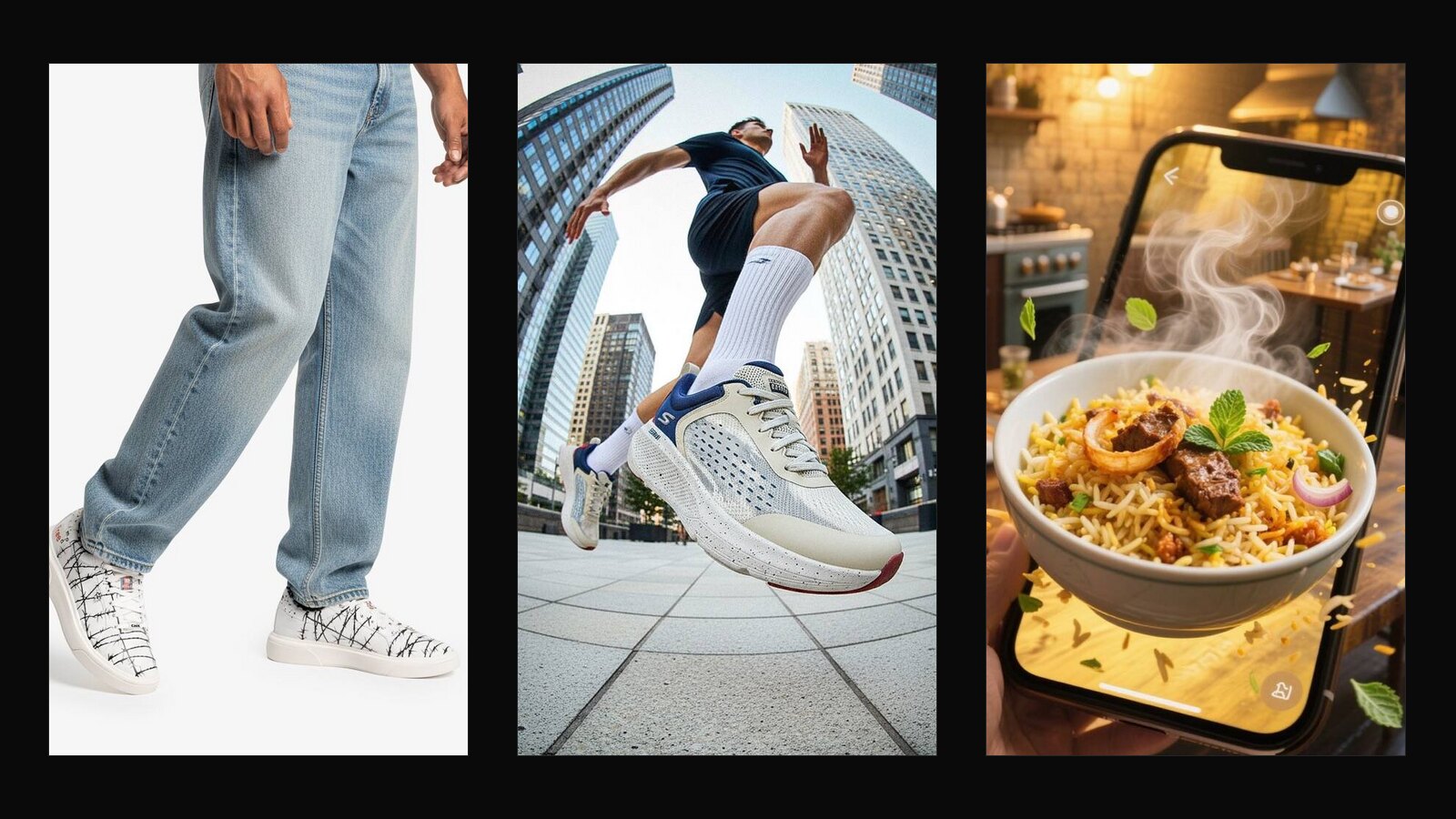
Selling apparel on online marketplaces requires strong visual content. High-quality images are standard, but video is becoming essential. For D2C and B2B brands, managing video production for hundreds or thousands of SKUs is complex. AI apparel video for marketplace listings provides a scalable solution to this challenge. It allows brands to create engaging product videos without the traditional costs and logistical hurdles.
The Challenge of Marketplace Apparel Listings
Marketplaces like Amazon, Myntra, and Flipkart host millions of apparel products. Standing out in this crowded environment is a constant battle. Shoppers scroll quickly. Static images often do not convey enough information about fit, fabric, or drape. Brands need to capture attention immediately.
Producing video for every SKU in a large apparel catalogue is expensive and time-consuming. Traditional photoshoots involve models, stylists, photographers, and studios. Repeating this process for seasonal collections or new product lines adds significant cost and logistical complexity. This often means brands limit video to best-sellers, leaving many products without this crucial content.
Why Video Elevates Marketplace Presence
Video content significantly enhances a product's appeal on marketplace listings. It allows customers to see clothing in motion, understand its texture, and visualize how it fits. This dynamic presentation builds greater confidence in a purchase decision. Videos also answer common questions about material, drape, and movement that static images cannot.
Marketplace algorithms often favor listings with video. This can lead to better search visibility and placement. Increased engagement metrics, such as longer time on page or higher click-through rates, signal to the platform that your listing is relevant and valuable. Ultimately, this translates to improved conversion rates and more sales for your apparel brand.
What AI Apparel Video Entails
AI apparel video uses artificial intelligence to generate product videos. It often starts with existing product photographs, sometimes flat lays or ghost mannequins. AI algorithms then animate these images, creating dynamic content that simulates real-world movement. This removes the need for physical photoshoots, models, and film crews.
The technology can generate "on-model" videos where the apparel appears on a virtual model. These models can be customized in terms of body type, pose, and background. This ensures consistency across a brand's entire range. AI-driven processes handle elements like lighting, shadows, and fabric simulation, resulting in realistic and high-quality output.
Benefits for Apparel Brands on Marketplaces
AI apparel video offers clear advantages for D2C and B2B brands focused on marketplace sales. The primary benefit is scale. Brands can produce a high volume of videos for their entire catalogue rapidly. This ensures every product gets the attention it deserves, not just a select few.
Cost efficiency is another major factor. Eliminating photoshoots, model fees, and post-production editing significantly reduces expenses. Consistency in brand presentation across all listings is also easier to maintain. For example, in a campaign film we made for Rubick, an apparel commerce platform, more than 1,400 approved on-model videos were made from flat apparel product photographs, with no shoot day, delivered in quality-checked batches of about 500 and tracked per SKU. This demonstrates the volume capability.
Types of AI Apparel Video for Marketplace Use
Several formats of AI apparel video are effective for marketplace listings.
- On-Model Videos: AI places your clothing on a virtual model. This helps customers visualize fit and drape without expensive photoshoots. It provides a consistent look and feel for your entire collection.
- Animated Flat Lays: Transform static flat lay images into short, engaging videos. Subtle movements or transitions can highlight fabric details or design elements.
- 360-Degree Product Views: Generate interactive 360-degree spins from limited product images. This allows customers to explore the garment from all angles.
These video types address different needs. On-model videos are strong for visual appeal, while animated flat lays can be a simple, high-volume solution.
Integrating AI Video into Your Workflow
Adding AI apparel video to your content strategy involves a few steps. First, prepare your existing product photography. High-resolution images are best. This includes flat lays, ghost mannequins, or even existing on-model shots if you want to enhance them.
Next, define the specific video requirements for your target marketplaces. This includes aspect ratios, duration limits, and file sizes. Most AI video platforms can deliver content tailored to these specifications. Finally, integrate the generated videos into your product pages. This new visual asset can replace or supplement existing static images, providing a richer experience for shoppers.
Key Considerations for Production Quality
When using AI for apparel video, focus on several quality aspects. Realism is paramount. The AI-generated clothing must look natural on virtual models and accurately represent the fabric's characteristics. Details like how light interacts with the material are important.
Consistency across videos is also vital. Ensure that models, backgrounds, and video styles remain uniform for a cohesive brand experience. This helps reinforce your brand identity. Finally, verify that the output meets all technical specifications for the marketplaces you use. Each platform has specific guidelines that impact video upload and display.
Choosing an AI Video Production Partner
Evaluating a partner for AI apparel video for marketplace listings requires careful consideration. Look for a team with experience in apparel and e-commerce. They should understand marketplace specific requirements and content best practices. Review their portfolio for examples that demonstrate realism and consistency in their output.
Ask about their workflow for handling large volumes of SKUs. Understand their process for quality assurance and revision cycles. A clear communication channel is important. Ensure they can deliver videos in the necessary formats and within your timelines. A good partner will act as an extension of your marketing team, providing strategic guidance beyond just technical production.