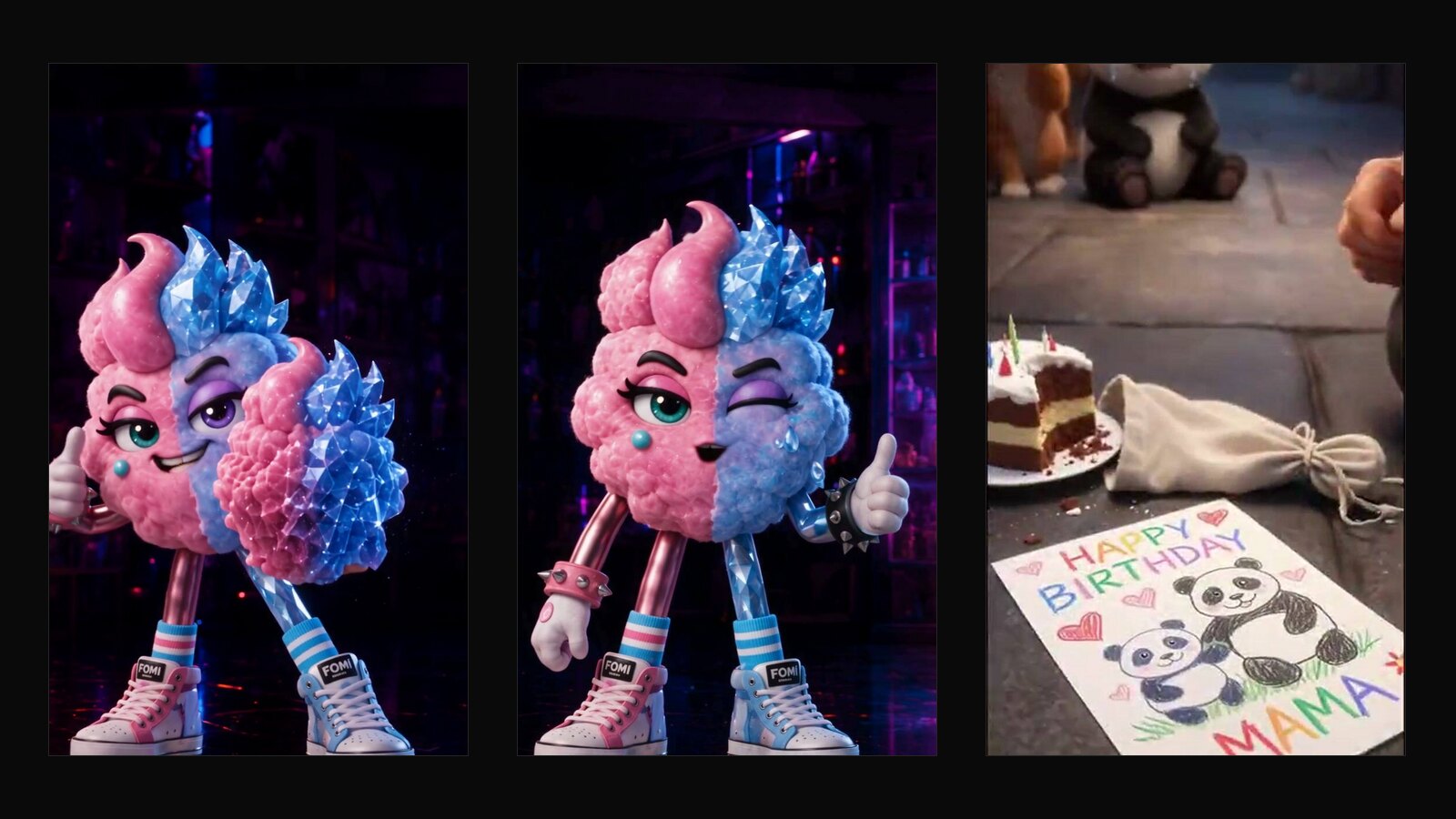
Brand mascots are the face of many FMCG lines. They create instant recognition and give a human touch to everyday items. When a mascot is animated, the brand can move beyond static logos and connect with consumers on a story level. The motion adds personality, reinforces brand values, and makes a product memorable in a crowded shelf environment. For brands looking to stand out, investing in a well‑crafted animated mascot is a strategic move.
Why Mascots Matter for FMCG
Consumers today expect brands to feel authentic. A mascot that moves with purpose can humanise the product and provide a consistent voice across touchpoints. Even a quick 10‑second clip can leave a lasting impression, turning a routine purchase into an emotional interaction. The right character reflects the brand tone—playful, caring, bold—and it can be reused across social media, packaging, and advertising with little extra cost.
Visual consistency matters. A mascot that is designed with a clear silhouette, recognizable colours, and distinct features becomes a reliable signpost in a cluttered marketplace. When the mascot appears on a packaging label or in a video, the audience immediately associates the imagery with the brand promise. This instant linkage boosts brand recall and can drive repeat purchases, especially in fast‑moving consumer goods where shelf time is limited.
Core Elements of a Winning Mascot Animation
Creating an animated mascot that delivers impact starts with a solid character design. The mascot should be simple enough to animate smoothly but detailed enough to carry the brand’s personality. Movement timing must feel natural; a stiff motion will break the connection. Voice‑over or sound cues reinforce the character’s personality, while colour choices tie the mascot back to the brand identity.
- Distinct silhouette that scales across media
- Consistent colour palette linked to brand identity
- Expressive facial features that convey emotions
- Reusable rig that allows quick scene variation
Once the design is settled, the next step is rigging. A flexible rig lets animators alter pose, expression, and movement without re‑creating the model. The rig should support both 2D vector frames and 3D motion‑capture data, enabling the mascot to adapt to different formats. The easier the rig, the faster the turnaround for new campaigns and seasonal updates.
Storytelling Through Movement
Animation gives a mascot a narrative voice. Even simple actions—like a wave or a hop—can convey values such as friendliness or energy. By choreographing the mascot around a product’s key benefits, the brand tells a mini‑story in seconds. The rhythm of the movement should mirror the product’s feel: a brisk pace for a crisp snack or a smooth glide for a premium drink.
The integration of sound can amplify the impact. A short jingle or a sound effect tied to the mascot’s action adds a layer of sensory recall. The sound should be brief and aligned with the brand tone, so it reinforces the visual message rather than distracts. When the mascot moves and sounds in sync, the audience retains the brand more vividly.
Technical Workflow and AI Support
Today’s production pipelines blend traditional illustration with AI tools. Designers hand‑draw the core anatomy, while AI assists in generating secondary details and motion layers. Once the sprite sheet is ready, a simple scripting engine can automate repetitive frames, cutting down rendering time. The final output is then compressed for web or broadcast without losing the mascot’s clarity or emotional weight.
Because the assets are modular, the same mascot can be deployed across channels: Instagram reels, TV spots, in‑store displays, or packaging. AI‑driven resizing ensures the character looks sharp whether it appears on a small phone screen or a large billboard. This flexibility reduces the need for multiple bespoke versions, saving both time and cost across campaigns.
Case Insight: FOMI Snax Mascot Animation
We built a mascot for a snack brand called FOMI Snax. The character was developed as a full identity, with turnarounds, expressions, and material textures. This approach meant the mascot could be placed in any setting—store shelves, online ads, or print—without re‑animation. The team focused on clear, lively movements that matched the snack’s playful tone.
The result was a mascot that stayed consistent across all touchpoints. Because the design was modular, the brand could quickly produce seasonal variations—adding a Santa hat or a summer sun—without redesigning the core model. The mascot’s movements were simple enough for automated rigging, reducing the production timeline from days to hours for new campaigns.
When choosing a production partner for mascot animation, ask about their workflow: do they use a modular design process? Check if they can deliver across formats—web, TV, print. Verify the team’s experience with character rigging and AI integration. Request a portfolio that shows consistency in animation quality. Finally, discuss turnaround time and flexibility for seasonal updates, as these factors impact campaign readiness.