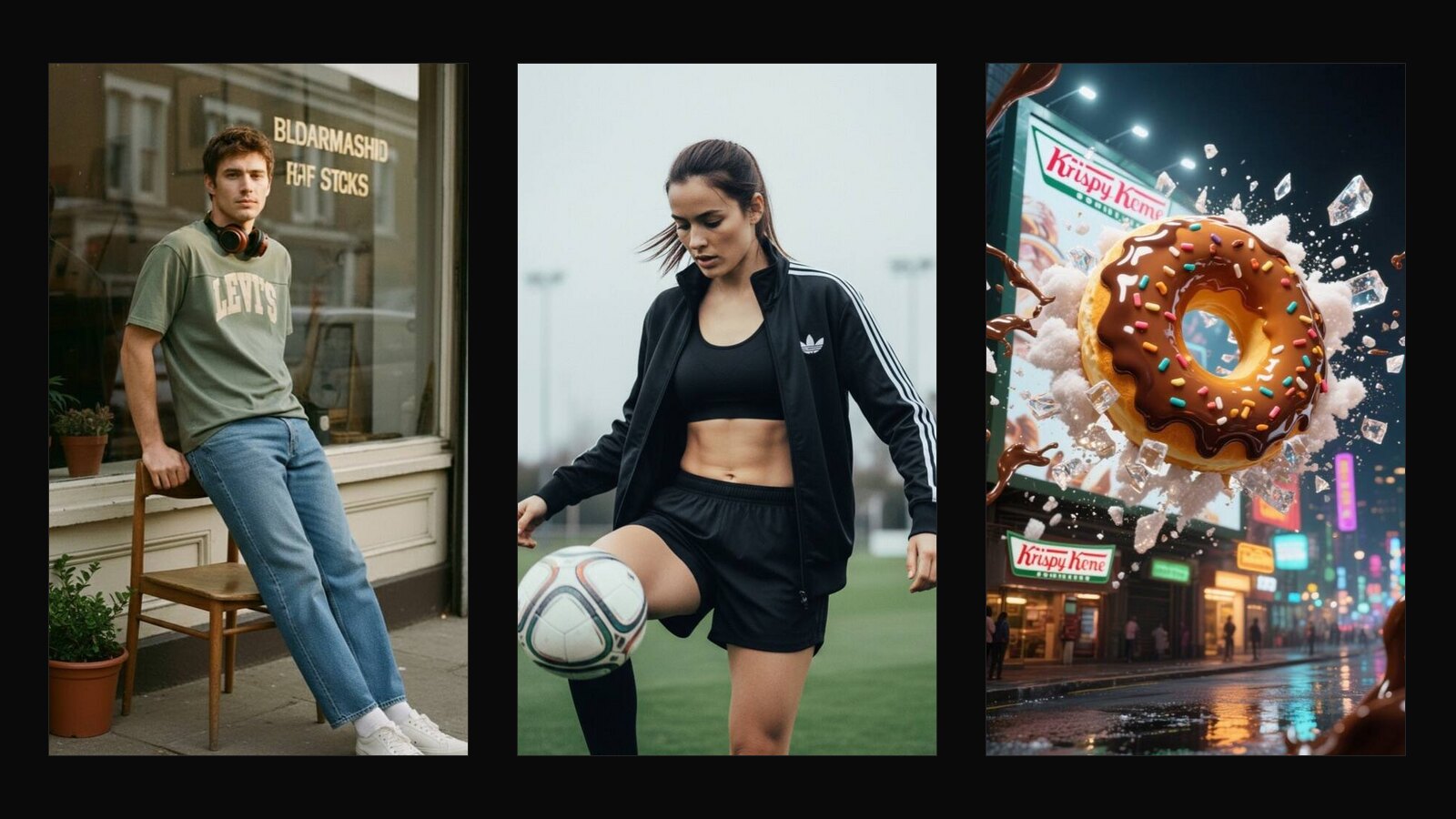
Producing video content with AI offers new possibilities for D2C and B2B brands. While AI streamlines many production steps, a clear and comprehensive brief remains essential. Your AI video production agency relies on precise instructions to bring your vision to life. A well-structured brief ensures alignment, reduces revisions, and delivers impactful results. This guide explains how to prepare an effective brief.
Define Your Core Objective and Audience
Start by clearly articulating your video's main goal. Is it to drive sales, increase brand awareness, explain a product, or engage an audience? Knowing the objective shapes every creative decision. Then, identify your target audience. Understand their demographics, interests, and where they will encounter your video content. This clarity helps the agency tailor the narrative and visual style.
Be specific about the desired impact. For example, if the goal is increased conversions, consider what call to action the video should include. If it is brand awareness, focus on how the video communicates your brand's unique value proposition. Providing details about your audience allows the AI to be directed towards content that resonates most effectively with them.
Clarify Your Project Scope and Scale
Detail the sheer volume and variety of videos you require. Is this a singular, high-impact brand film, or do you need hundreds of product videos for an entire catalogue? Specify the exact number of videos, their individual lengths, and any required variations for different platforms or product SKUs. This information dictates the production approach.
For large-scale projects, outline how you envision content being batched and delivered. This is where AI excels in efficiency. For example, in a campaign we made for Rubick, an apparel commerce platform, we delivered more than 1,400 approved on-model videos, made from flat apparel product photographs, without a shoot day. These were delivered in quality-checked batches of about 500 and tracked per SKU. This level of detail in your brief helps an agency manage expectations and resources.
Provide Comprehensive Brand Guidelines
AI-powered creative tools require clear boundaries to maintain brand consistency. Your brief must include your full brand guidelines document. This should cover approved logos, font families, colour palettes with HEX or RGB codes, and the precise tone of voice. Indicate what visual elements are non-negotiable and which have some flexibility.
Share any existing brand assets, such as imagery, design templates, or previous video campaigns. These serve as a visual reference for the AI model, ensuring that new content aligns perfectly with your established brand identity. Strict adherence to these guidelines prevents off-brand outputs and maintains a cohesive presence across all content.
Detail Your Visual and Audio Requirements
Describe the desired visual aesthetic. Provide mood boards, reference videos, or specific images that convey the look and feel you want. Indicate if you need human models, specific locations, or abstract environments. Be clear about how your product should be presented – its angles, lighting, and any specific features to highlight. For example, in a campaign film we made for Menaki, a luxury bag label, a 33-second vertical film was made entirely with AI. No model was booked, no location was hired, and the client's real product was kept identical in every frame.
Consider audio elements. Do you need a specific type of background music? Should there be a voiceover, and if so, what kind of voice (gender, tone, accent)? Are there specific sound effects that need to be incorporated? Provide scripts or key messaging points for any spoken dialogue. This detailed input guides the AI in generating appropriate audio tracks and performances.
Outline Technical Specifications and Deliverables
Clearly state all required technical specifications for the final video files. This includes preferred resolutions (e.g., 1080p, 4K), aspect ratios (e.g., 16:9 for YouTube, 9:16 for Reels, 1:1 for Instagram feed), and file formats (e.g., MP4, MOV). Specify where the videos will be published, as different platforms have distinct requirements for upload and playback.
Beyond the video files themselves, list any other deliverables. Do you need captions, subtitles, or different language versions? Are you looking for specific metadata or file naming conventions? Understanding these technical needs upfront ensures the agency delivers content that integrates smoothly into your existing marketing workflows and distribution channels.
Share Existing Assets and Product Information
The quality of your input directly affects the output of AI video production. Provide the highest resolution product photographs, 3D models, or existing video footage you possess. If you have any CAD files or detailed product schematics, include those as well. The more visual data an AI has, the more accurately it can render your product.
Accompany visual assets with comprehensive product information. Include detailed product descriptions, unique selling propositions, and any specific features or benefits that must be highlighted in the video. For custom character creation, provide extensive references. For example, for FOMI Snax, a snack brand, we built a brand mascot, FOMI, as a full character identity with turnarounds, expressions, and materials, ensuring the character holds up in any environment. This deep understanding of the product ensures the AI-generated content is accurate and informative.
Establish Your Budget and Timeline Clearly
Transparency about your budget range is helpful. While AI can reduce costs, understanding your investment capacity allows the agency to propose solutions that fit your financial parameters. Be realistic about what can be achieved within your budget, and discuss how costs might vary with different creative approaches or levels of complexity.
Outline your desired timeline for the project, including key milestones and the final delivery date. Clearly communicate any hard deadlines, such as product launch dates or campaign start dates. AI video production can offer faster turnarounds than traditional methods, but adequate time for briefing, production, and revisions is still necessary to ensure quality.
How to Evaluate Your AI Video Production Partner
Choosing the right AI video production agency is crucial for success. Look for partners who demonstrate a clear understanding of AI capabilities and limitations. They should have a structured process for integrating your brand's input into their AI workflows and for managing quality control. Inquire about their experience with D2C or B2B brands, especially within the Indian market.
- Ask to see case studies that specifically showcase their use of AI for similar video projects. Review how they adapted AI to meet client objectives.
- Understand their quality control process. How do they ensure brand consistency and visual accuracy in AI-generated content?
- Discuss their revision policy and feedback loop. A good partner will have a clear process for incorporating your input throughout the production cycle.
- Ensure they understand your intellectual property concerns regarding AI-generated content and data privacy.