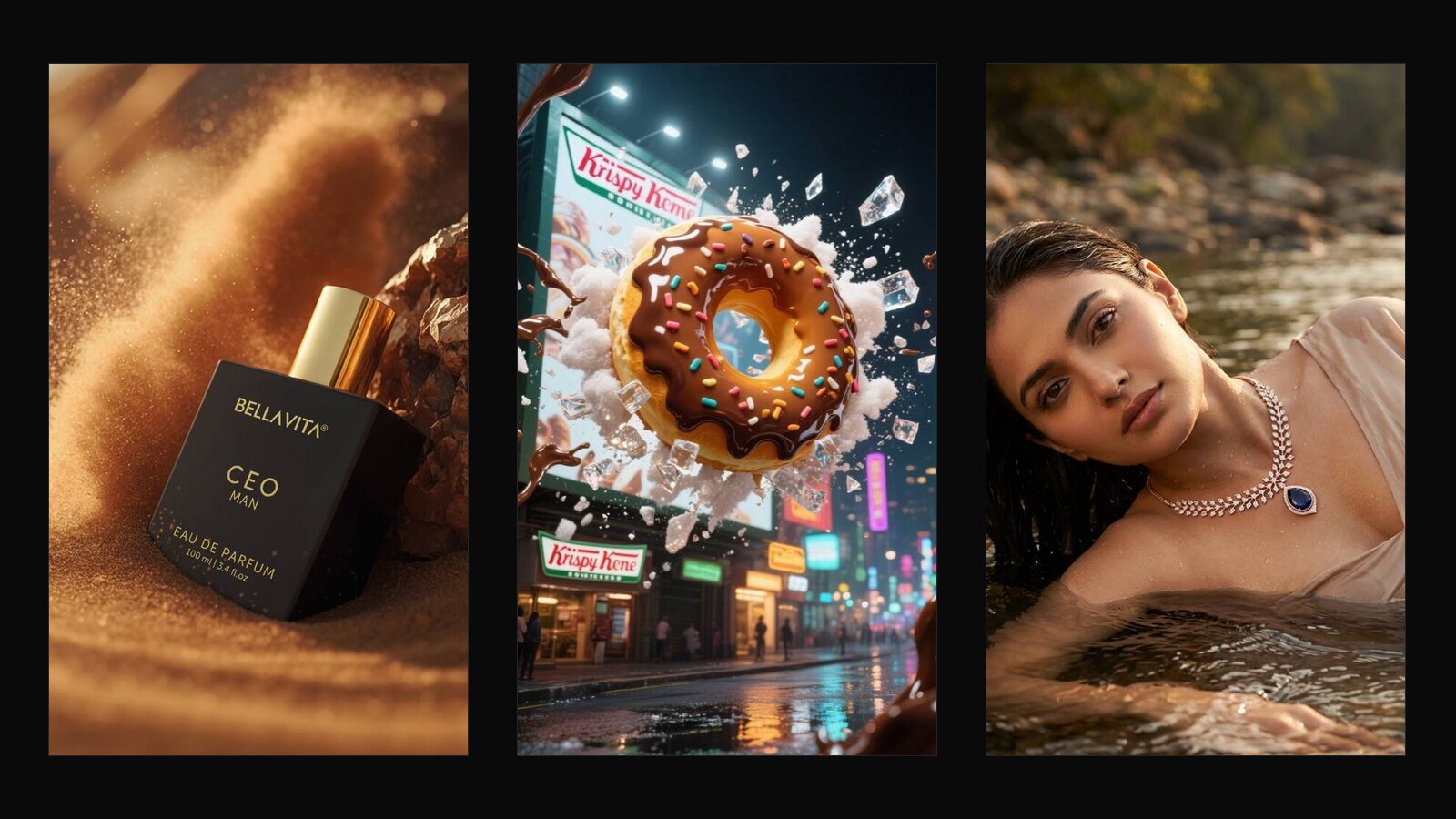
Indian D2C and B2B brands often seek effective visual content. The choice between AI product photography versus AI product video is now a key decision point for marketing leads and founders. Both methods offer significant efficiencies over traditional production. Each serves distinct purposes in a content strategy. Understanding their strengths helps determine the best approach for your brand's specific needs and marketing objectives.
The Rise of AI in Visual Content Production
AI has changed how brands create visual assets. It allows for scale and speed previously unimaginable. Traditional photography and video production involved significant logistical challenges. These included booking studios, hiring models, and managing large crews. AI tools now offer alternatives that bypass many of these hurdles. Brands can generate high-quality visuals faster and more consistently.
This shift impacts everything from e-commerce listings to full-scale brand campaigns. AI provides new ways to visualize products. It also empowers brands to tell their stories without the limitations of physical shoots. For businesses in India looking to expand their digital presence, AI presents practical solutions for content demands.
What is AI Product Photography?
AI product photography involves using artificial intelligence to generate or enhance static images of products. This goes beyond simple background removal. AI can place products in entirely new virtual environments. It can create diverse lifestyle scenes from a single product image. This technology simulates lighting, textures, and contexts with high realism.
Brands use AI product photography for several purposes. It is ideal for e-commerce catalogues requiring thousands of consistent images. It also helps in generating variations for A/B testing on ad platforms. AI can virtually dress models in apparel, removing the need for physical photoshoots. This ensures a consistent look across all product variants.
What is AI Product Video?
AI product video takes static images or 3D models and brings them to life through animation. It can create dynamic sequences, showcase product features, and even generate virtual models speaking scripts. This moves beyond simple motion graphics, aiming for realistic, narrative-driven video content. AI can simulate movement, interactions, and environments to create engaging visual stories.
These videos are valuable for product launches and social media campaigns. They also excel at explaining complex features in an accessible way. We have firsthand experience with this application. In a campaign film we made for Rubick, an apparel commerce platform, more than 1,400 approved on-model videos were made from flat apparel product photographs, with no shoot day, delivered in quality-checked batches of about 500 and tracked per SKU. This demonstrates AI's ability to scale video production from existing static assets.
Key Differences in Impact and Application
The fundamental difference lies in their nature: static versus dynamic. AI product photography excels at providing detailed, consistent views of a product. It serves information and visual clarity. It is easily digestible for quick browsing. This makes it a staple for product pages and online listings where clear representation is key.
AI product video, however, focuses on engagement and storytelling. It captures attention through movement and narrative. Video allows brands to demonstrate how a product works, its benefits, or its lifestyle fit. This makes it a more powerful tool for social media, ad creatives, and brand storytelling. Where photography informs, video persuades and immerses.
Cost and Time Efficiency Considerations
Both AI photography and video offer significant efficiencies compared to traditional methods. For static images, AI can generate hundreds of product variants or scene variations quickly. This drastically cuts down on studio time and post-production. The cost per image can be much lower, especially for large catalogues.
AI product video similarly reduces the expense and time of a traditional shoot. It removes the need for physical sets, actors, and camera crews. This translates to faster turnaround times and budget savings. For Menaki, a luxury bag label, we produced a 33-second vertical campaign film entirely with AI. There was no model booked, no location hired, and no shoot day. The bag was the client's real product, kept identical in every frame. This illustrates the resource efficiency of AI video production.
When to Use AI Product Photography
Consider AI product photography when your primary goal is visual consistency across a vast inventory. It is highly effective for several use cases:
- Standard e-commerce product listings requiring thousands of consistent images.
- Generating multiple product angles and close-ups from a single initial image.
- Creating product variations with different colours, patterns, or textures rapidly.
- Populating large catalogues with professionally styled visuals efficiently.
- A/B testing various lifestyle backgrounds for static ad creatives and landing pages.
When to Use AI Product Video
Opt for AI product video when you need to convey dynamic information or evoke an emotional response. It is particularly effective for:
- Showcasing product features, movement, or functionality in a compelling way.
- Creating engaging ad creatives for social media platforms and short-form video.
- Developing immersive product tours or detailed demonstrations for complex items.
- Launching new products with an impactful narrative and dynamic visual presentation.
- Building brand stories that resonate deeply with your audience and drive engagement.
Integrating Both for a Comprehensive Strategy
The most effective content strategy often involves both AI product photography and AI product video. They are not mutually exclusive but complementary. Photography provides the core visual library. Video adds the dynamic storytelling layer. Brands can ensure a unified visual identity across all touchpoints.
For example, you might use AI photography for all e-commerce listing images. Then, use AI video for social media ads and product pages to demonstrate key features. This integrated approach ensures consistent brand messaging. It also maximizes engagement across different platforms and consumer journeys.
Evaluating an AI Production Partner
Choosing the right AI production partner is crucial. Look for a partner with clear experience in delivering actual campaigns. Their portfolio should show real-world applications of AI, not just conceptual demos. Ensure they understand the nuances of your industry, whether D2C or B2B.
Enquire about their process for maintaining brand consistency. Ask how they ensure quality control across generated assets. A good partner will focus on your brand's objectives. They will offer practical solutions that align with your marketing strategy and budget, not just advanced technology.